
Emma stared at the train timetable, the price of a return ticket to the coast flashing £28. She wanted a beach walk, a fish‑and‑chips lunch and maybe a quick dip, but her weekend “fun fund” was only £60. She decided to map out every expense before booking anything – a habit that turned a vague desire into a concrete plan
Plan Around Fixed Costs First
Start by listing the non‑negotiable items: transport, accommodation (if needed), and any entry fees. In Emma’s case the train cost £28, and the seaside museum charged £7. By subtracting these from the £60 budget she saw she had £25 left for food, souvenirs and a contingency
- Transport: Use off‑peak tickets or regional rail passes. A weekly travelcard for zones 1‑4 costs £37, but a single off‑peak return to a nearby town is often under £15.
- Accommodation: If you need a night, consider hostels that charge £20‑£30 per bed in shared rooms, or look for “last‑minute” deals on booking apps that drop prices by up to 40% after 6 pm.
- Entry fees: Many museums and attractions offer free entry on specific days; a quick check on their websites can save £5‑£10 per visit.
Eat Like a Local, Not a Tourist
Another tip is to use loyalty apps. The local coffee chain offers a free drink after five purchases; if you plan to stop for coffee twice a day, that’s a £2 saving each time
Экспертные обсуждения помогают в принятии решений. Участвуйте в kraken marketplace экспертные форумы с обсуждением рыночныÑ тенденций.
Free or Low‑Cost Activities That Pack a Punch
Smart Tech Tools for Real‑Time Savings
Apps that track public transport discounts, compare fuel prices, or alert you to flash sales on activities can shave off a few pounds each trip. Emma set a price‑alert on a travel app; when the train price dropped to £22, she booked immediately, freeing up an extra £6 for a sunset boat ride.
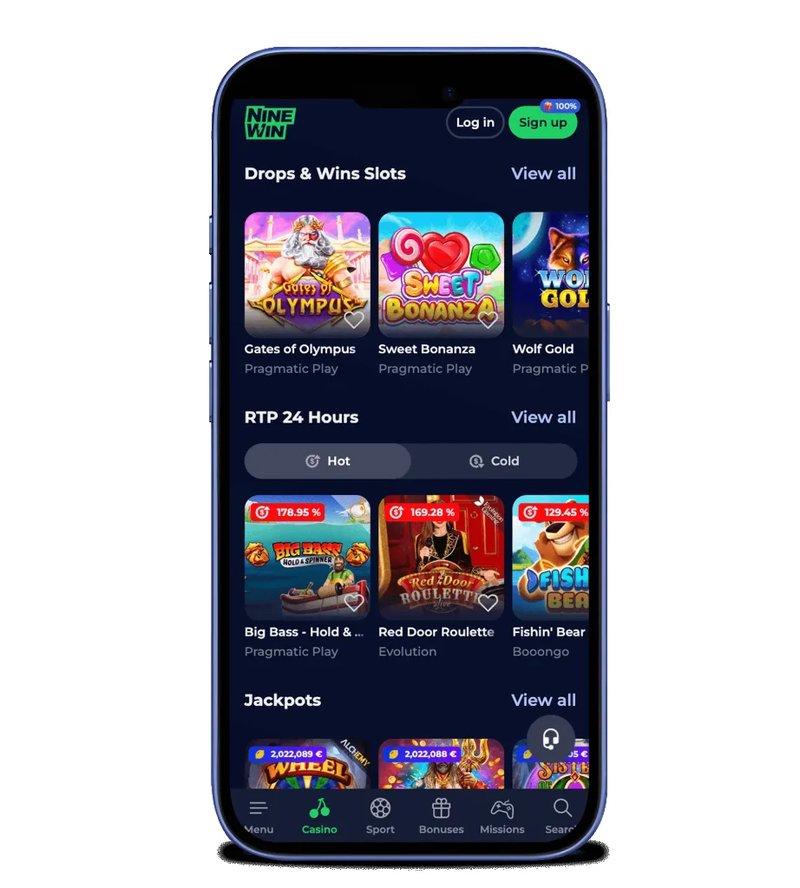
While budgeting for a weekend, it’s easy to forget that entertainment doesn’t stop at the park. For those who enjoy a bit of online gaming or casual betting after a day out, there are platforms that let you set strict deposit limits and self‑exclusion timers. One such resource is https://www.ninewincasino-uk.co.uk, which offers tools to keep digital play within a responsible budget.
Wrap‑Up: The Bottom Line
Emma’s weekend turned out to cost £58, leaving £2 as a tiny buffer. She walked 7 km along the cliffs, ate three meals under £20, and still managed a short boat trip that cost £10. The key was treating the budget like a checklist, not a constraint.
When you break down each component, the numbers become clear and the choices easier. Allocate fixed costs first, hunt for local food deals, prioritize free activities, and let technology do the heavy lifting. With that framework, any weekend – whether at the seaside, in the hills, or exploring a nearby city – can feel like a mini‑vacation without breaking the bank.